It was a sunny spring Saturday morning in the early noughties. I strode out the front door of my flat, jammed my headphones in my ears, turned on my brand new iPod – freshly (and laboriously) loaded with every album from my bulging CD wallet – and hit play. Boom! All my music at my fingertips, anywhere I went – walking, running, planes, trains and automobiles. Life would never be the same…
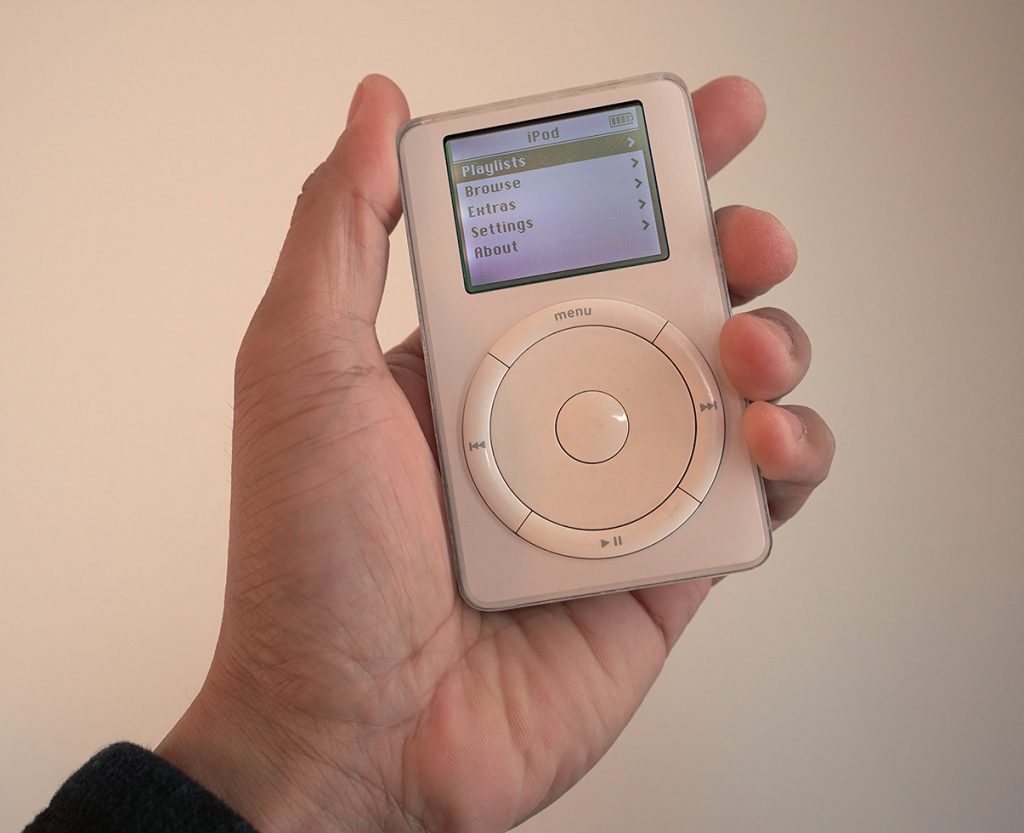
I’m sure we can all recall a moment in life when our imaginations were illuminated – our lives forever altered – by some new technology freshly landed in our hands.
The last year or so has seen many of us experiencing such a moment with our first dabble in generative AI. Exploring its immense capability and speed firsthand has been something of a revelation.
Of course, AI is nothing new. It’s already widely used across pretty much every industry and impacts the way we live, create, play and consume every day – whether we’re aware of it or not.
‘The greatest force amplifier in history’
In his excellent 2023 book The Coming Wave: Technology, Power, and the Twenty-first Century’s Greatest Dilemma Mustafa Suleyman boldly states that “Over the next 10 years, AI will be the greatest force amplifier in history.” And it’s not hard to see why. From optimised healthcare diagnostics, to increasingly personalised shopping, entertainment and education experiences, to enhanced automation across almost every industry – AI is poised to transform our lives at an exponential rate. Of course, the much espoused fear is that if we don’t tread carefully and become overly reliant on its unrestrained use, AI will start taking over our lives and encroaching on our very humanity.
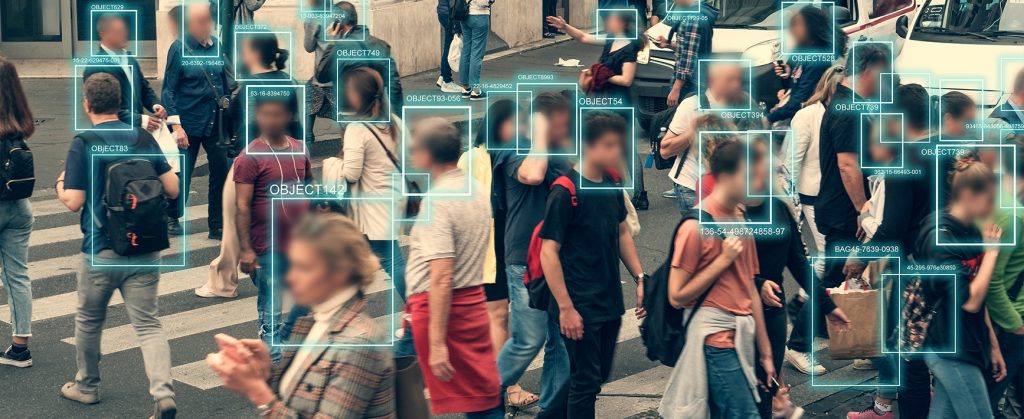
In the world of wellness marketing where authenticity and trust are so important, the use of AI alongside good old fashioned human creativity must be tempered. As wellness consumers increasingly seek genuine connections and trust from brands, finding the right balance – where human creativity remains firmly in the pilot seat – is crucial to successful wellness marketing.
There’s no denying AI’s power as a valuable support tool in developing and executing content and campaigns. Through personalisation, automation and data-driven insights, AI allows for the optimisation of marketing activity and the delivery of personalised wellness solutions – while being a massive time saver in creating certain types of content.
However with these benefits come the challenge of AI’s limited ability to capture the essence of humanity that powers great creative work. The subtleties of empathy, intuition, and the unparalleled ability of human creativity to create authentic and original content are areas where AI may fall short of the mark.
Where’s Well-y? 🙋🏻♀️ Standing out in the crowded wellness market
The wellness industry continues to flourish, with the Global Wellness Institute forecasting the global wellness economy to be worth $6.3 trillion by the end of 2024, $7.4 trillion in 2025, and $8.5 trillion in 2027. This is clearly great news for wellness brands, but also means a more crowded marketplace. The need for brands to be distinct, to stand out and connect with consumers is becoming increasingly important.

One of the key benefits of human creativity is that it allows us to think outside the box, while AI on the other hand – in pulling from existing data – thinks completely within a box (admittedly it is a bloody big box!)
Human creativity brings the soul to wellness marketing; it’s the genesis of rich, emotional connections that influence behaviour and build brand love. While AI can be a powerful tool for involving wellness brands in the lives of consumers – using data to create moments of connection that influence the way people behave and feel – it has to start with purpose-led branding and creative that engages the right emotions.
Together, they can put innovative ideas into the world that contribute to our collective wellbeing and a healthier future for people, planet and brands alike. This is the true potential of great wellness marketing.
Fei-Fei Li, another great author on the subject, put it nicely…
“AI is not a substitute for human intelligence; it is a tool to amplify human creativity and ingenuity.”
So let’s celebrate our humanity, embrace our creativity, and harness the power of technology to move us all forward together.